INDUSTRIAL APPLICATIONS

CIS

Contact Image Sensor Automated Optical Inspector

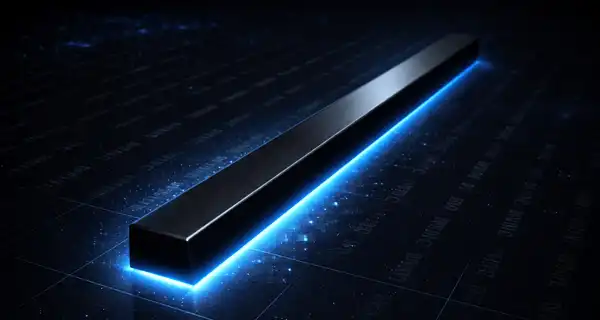
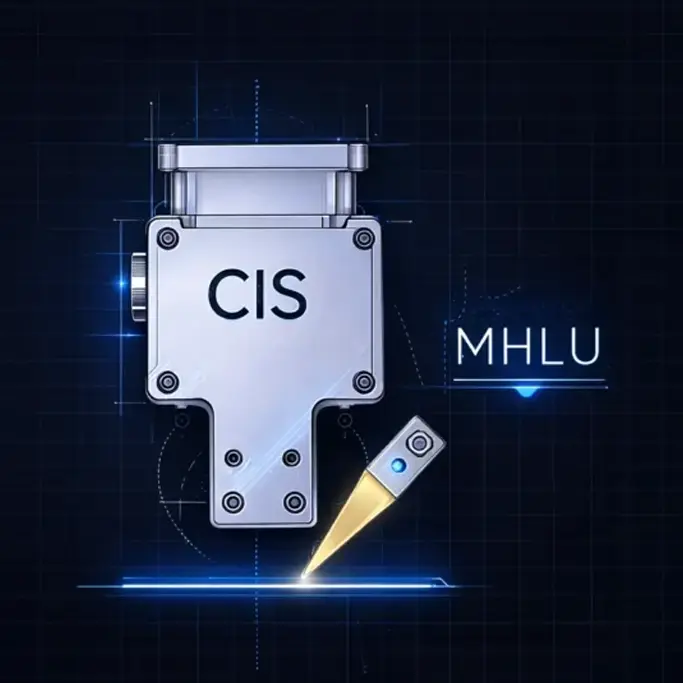
The CIS is an integrated imaging system designed for inline industrial inspection. It combines image sensors, optics, illumination, and digital interfaces in a single, compact structure, ensuring high stability, vibration resistance, and easy integration even in small spaces.

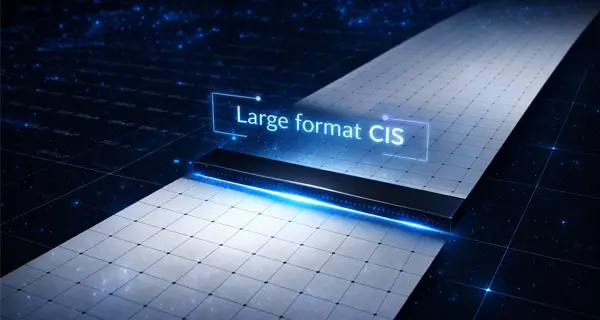
Based on 1:1 scale acquisition, CIS enables images free of perspective distortion and easier handling than multi-camera systems. The range is available in configurations from 108 mm to 6000 mm and can be customized for scan width, resolution, speed, working distance, illumination, and interface to cover a wide variety of AOI applications.
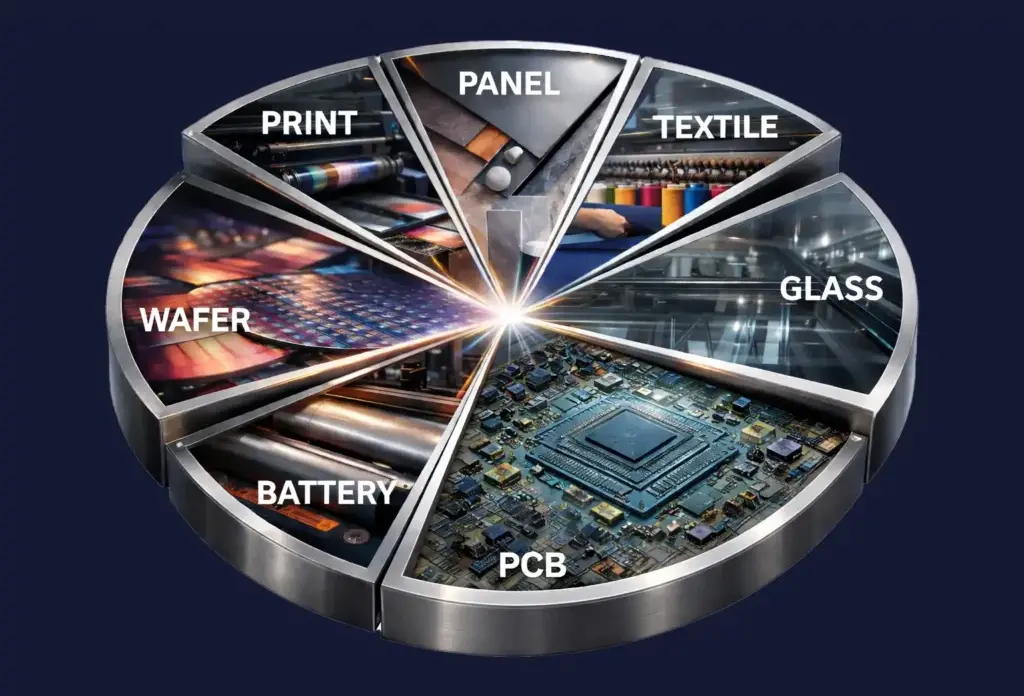
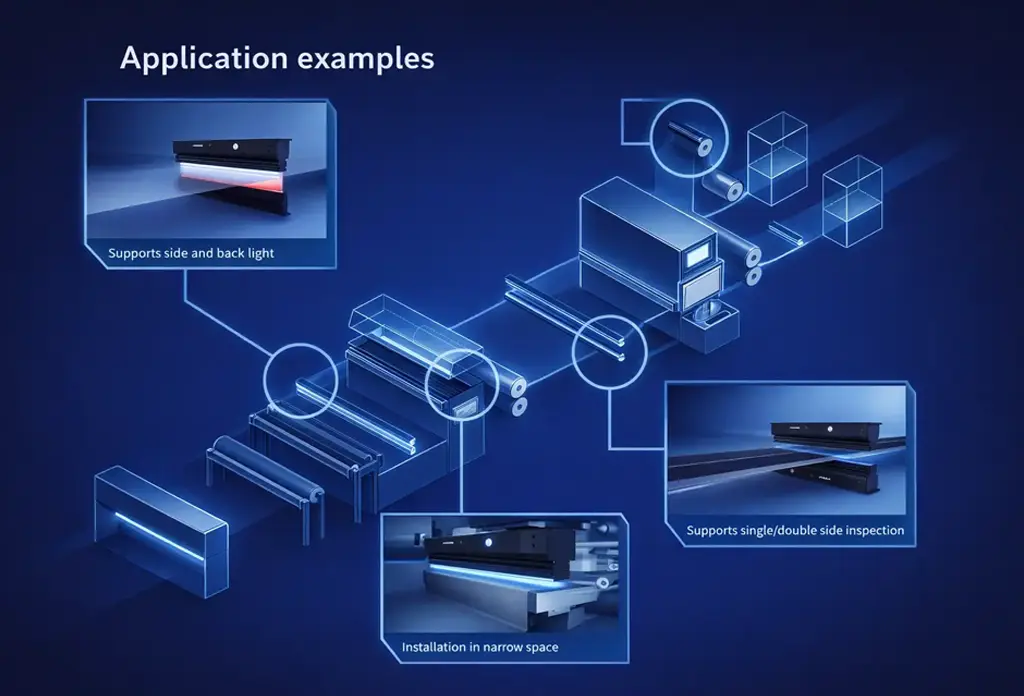
Grafico a torta che identica i settori di applicazione dei sensori CIS

How it works

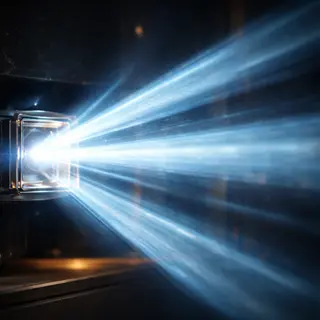
Sorgenti luminose LED per illuminazione

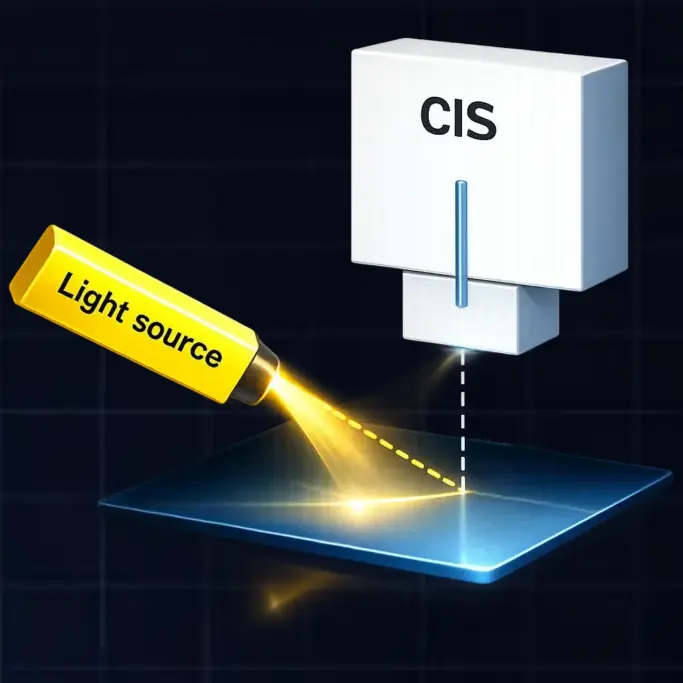
Internal or external light sources illuminate the object.

Riflessione della luce attraverso prisma ottico

The object reflects light back to the CIS sensors.

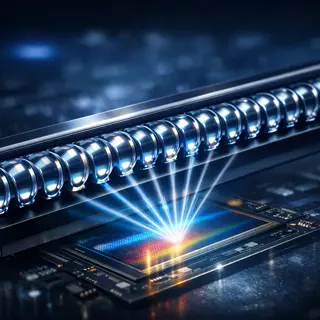
Lenti ottiche cilindriche utilizzate nei sistemi CIS

The rod lens array projects the reflected image onto the sensors.

Microchip su scheda elettronica

The sensors generate a signal proportional to the intensity of the reflected light.

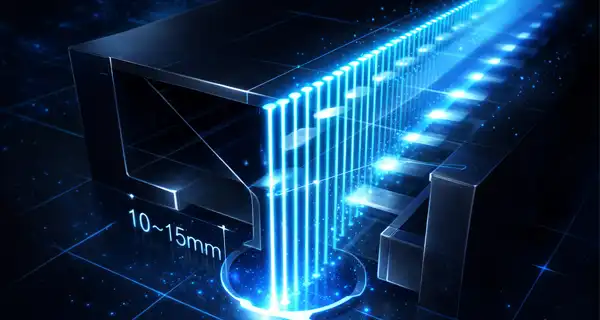
Circuito elettronico con scia luminosa

Sensors and control electronics process the data to form an image, which is then transmitted to a PC for viewing or analysis.

Rod Lens Array

Optical Principle

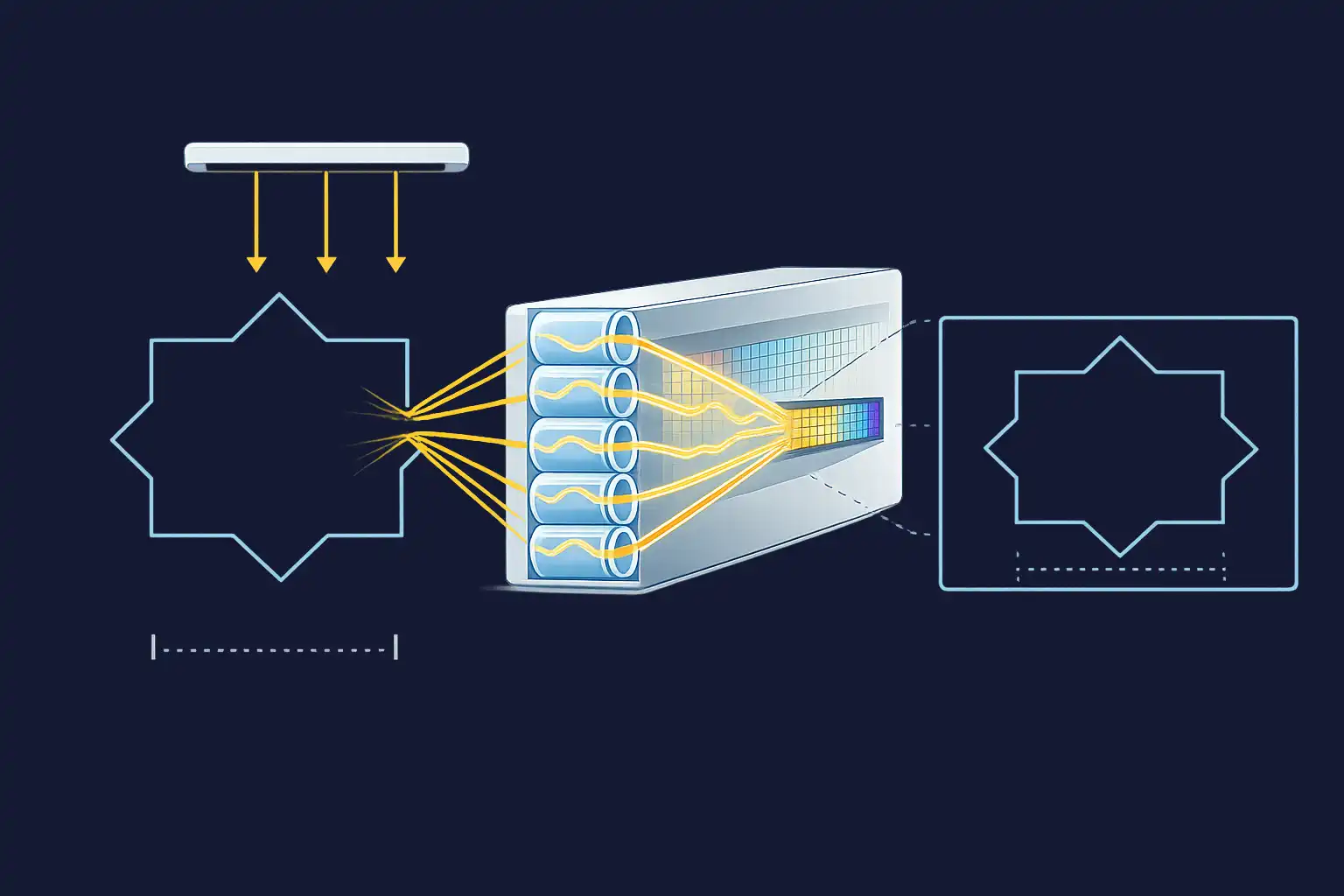
When the component is illuminated by a light source, it reflects light in all directions. From a single incident ray, countless weaker rays are reflected outward in multiple directions.
The bar-shaped lens array (or fiber-optic lens strip) covering the CIS captures these scattered rays and reconverges them symmetrically onto the same focal point on the sensor. For this reason, the working distance between the CIS and the object is critical to obtaining a sharp, accurate, and distortion-free image.

Principio ottico in cui il sensore CIS viene illuminato da sorgente luminosa

CIS VS CAMERAS

Large Format CIS

Example image of short working distance of CIS

Short working distance. Internal light source. Space saving.

Example of image of no distortion CIS sensor

1:1 imaging. No distortion.

Example of image of big printing CIS sensor

Single scan width up to 6000 mm. Easy to integrate into machine vision systems.

Cameras

Example of image of mounting space camera sensor

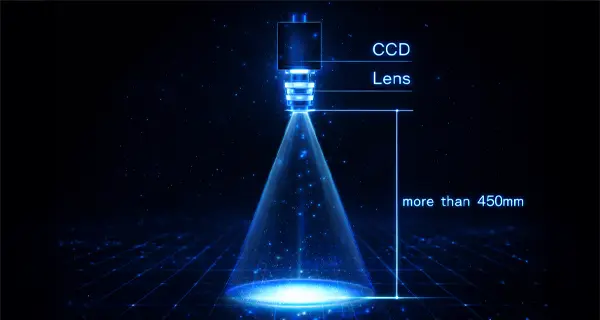
Greater working distance. External light source. More space required for mounting cameras and lights.

Example of image of text distortion with camera sensor

Distortion occurs at the camera joins. Stitching software is required to merge the two images. More complex image processing.

Example of image of multiple cameras to have same results than CIS

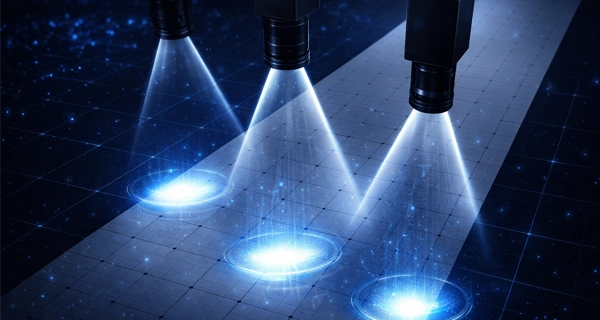
Requires multiple cameras to extend the scan width. Complex assembly and adjustment.

Product Features and Benefits

Characteristics

  • High-quality imaging: high resolution and distortion-free images.
  • Compact design: Integrated wide-width structure to reduce installation space.
  • Operational simplicity: easy installation, commissioning and maintenance, to improve production line efficiency.
  • High-speed acquisition: high line rate and efficient data transmission.
  • Flexible customization: scan width, resolution, speed, working distance, interface type, size and more.
  • Technical strength and reliability: international R&D team, automated production plant, and certified quality management system.

Advantages

Customizable length:

  • from 108 mm
  • up to 6000 mm

Available lights:

  • R/G/B
  • UV
  • IR

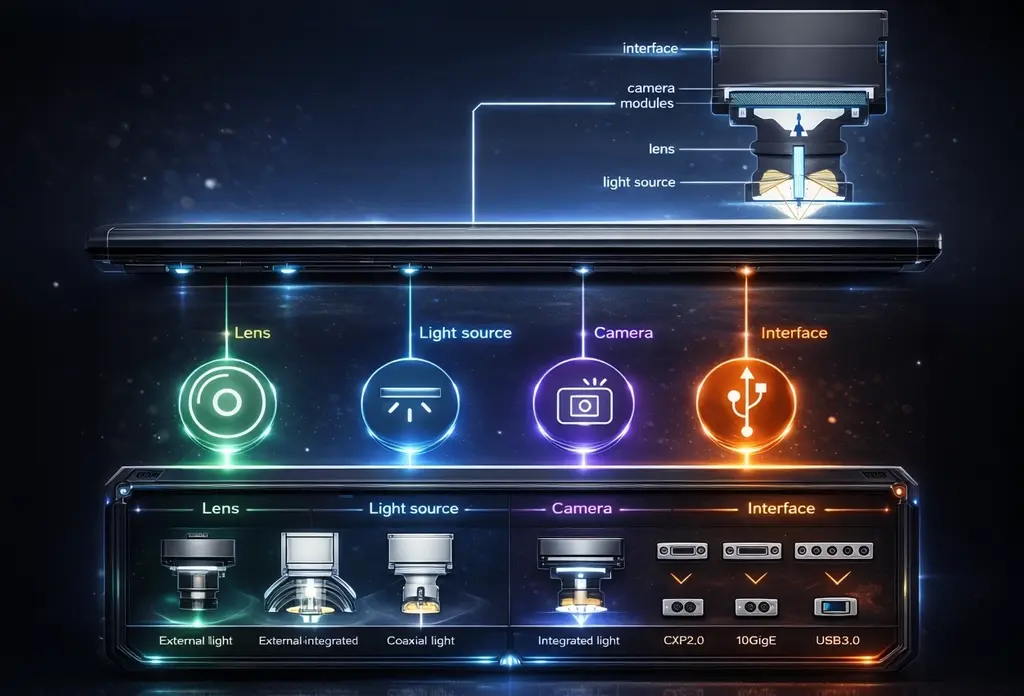
Lighting configuration types:

  • External light
  • Integrated external light
  • Coaxial light
  • Integrated light

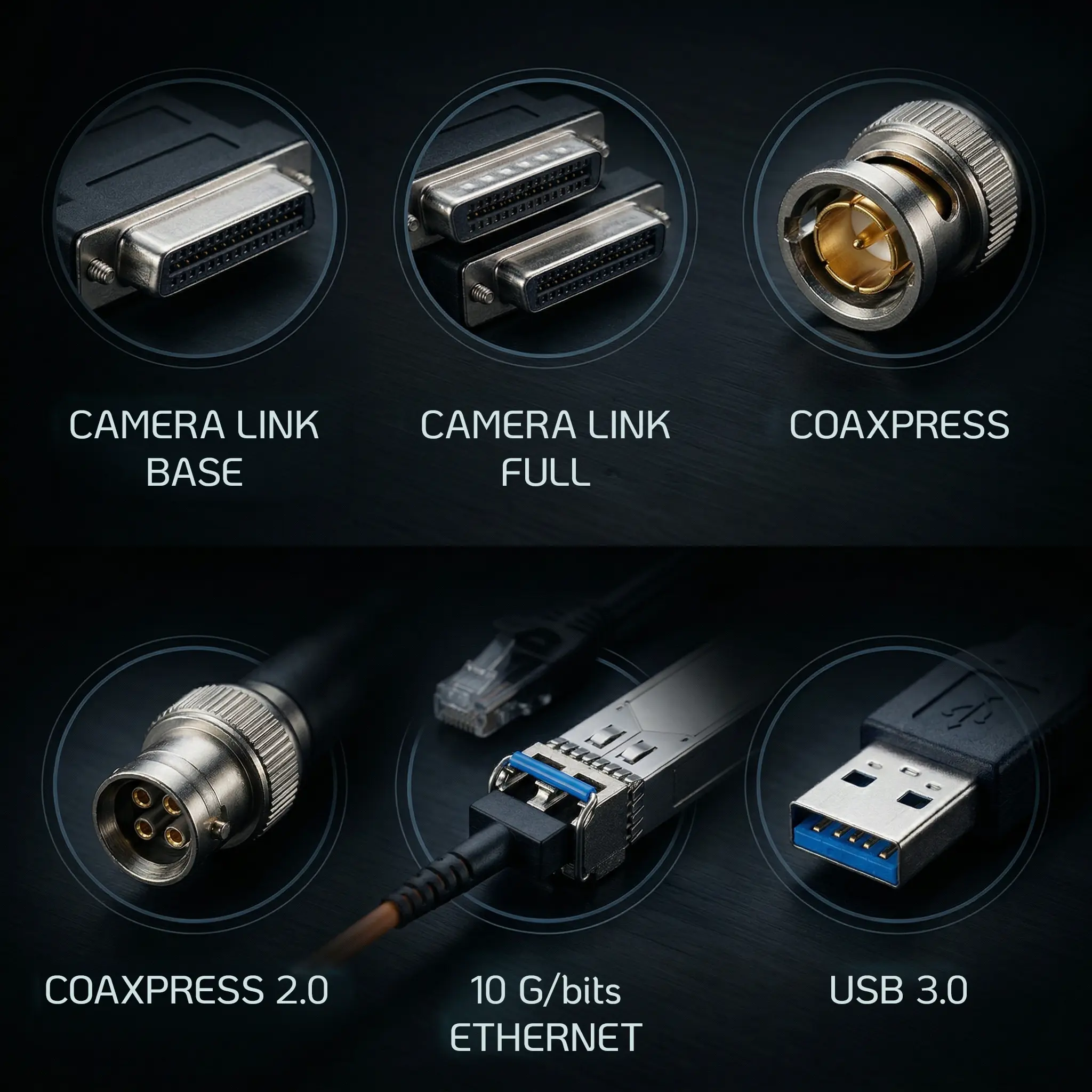
Available interfaces:

  • CoaXPress
  • CoaXPress 2.0
  • Camera Link
  • Camera Link Full
  • USB 3.0
  • Ethernet (Standard)
  • 10 GigE Ethernet
  • 2.5 GigE Ethernet
  • 1 GigE Ethernet

Scannable materials:

  • Roll materials (reels)
  • Plastic films
  • Ceramic tiles and slabs
  • Wafer (semiconductor)
  • Printed materials
  • Glass
  • Panels
  • Fabrics and yarns
  • (Any material with a flat surface)

Furthermore, you have the possibility of sending samples to the factory to simulate the real application, alternatively you can request a viewing account that will completely reflect the chosen configuration except for the length which will be standard at 310mm for a question of practicality.

Technical insights

To consult all the specifications of the CIS range, the available interfaces and the complete configuration tables.

Lighting control, synchronization and integration.

Lighting principles and typical applications for choosing the CIS setup.