BANKING APPLICATIONS

MIS

Magnetic Image Sensor

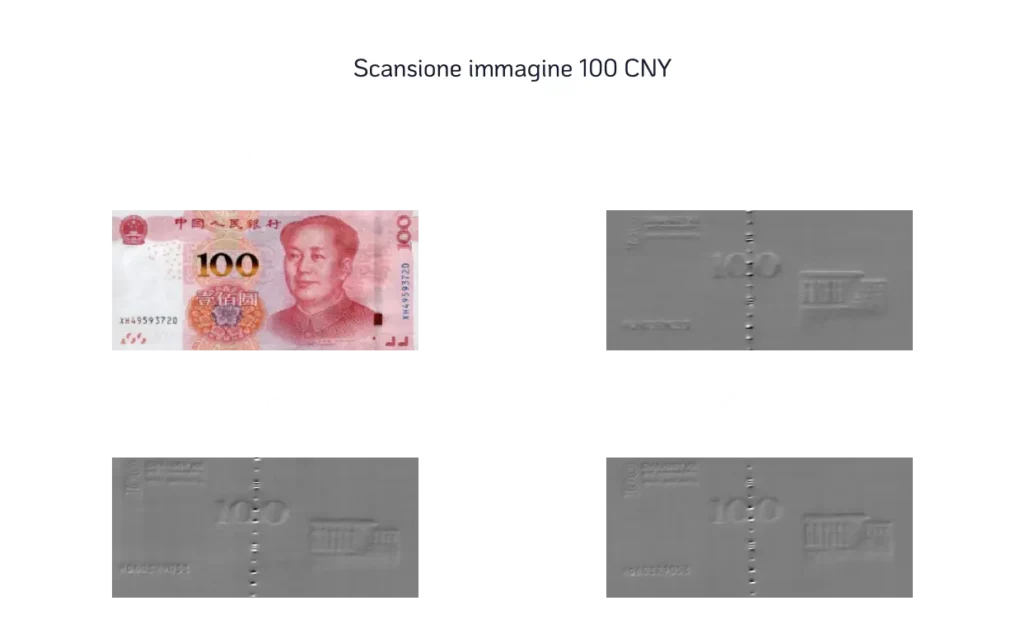
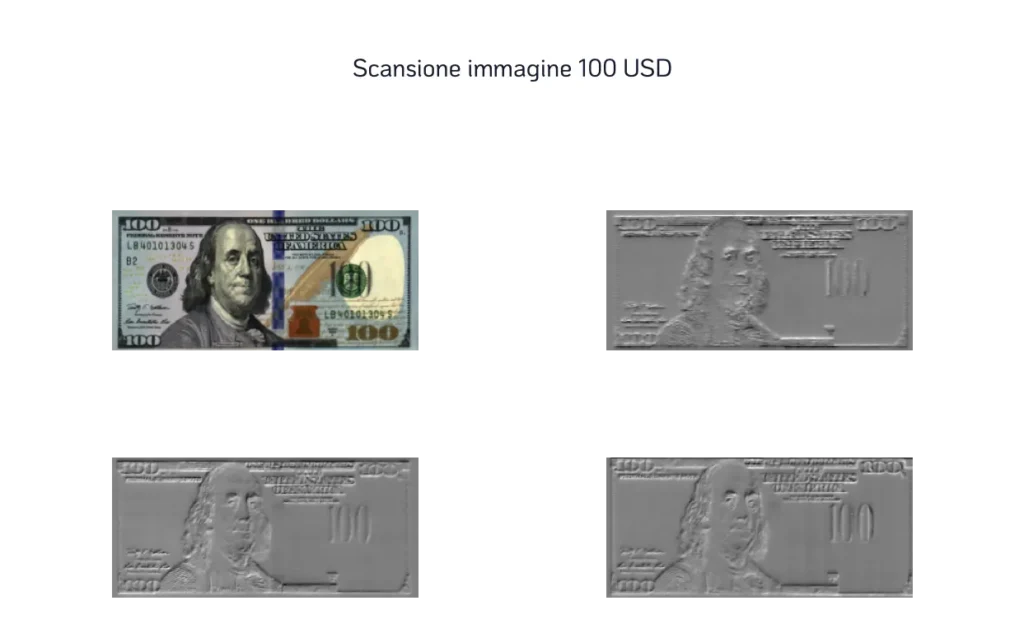
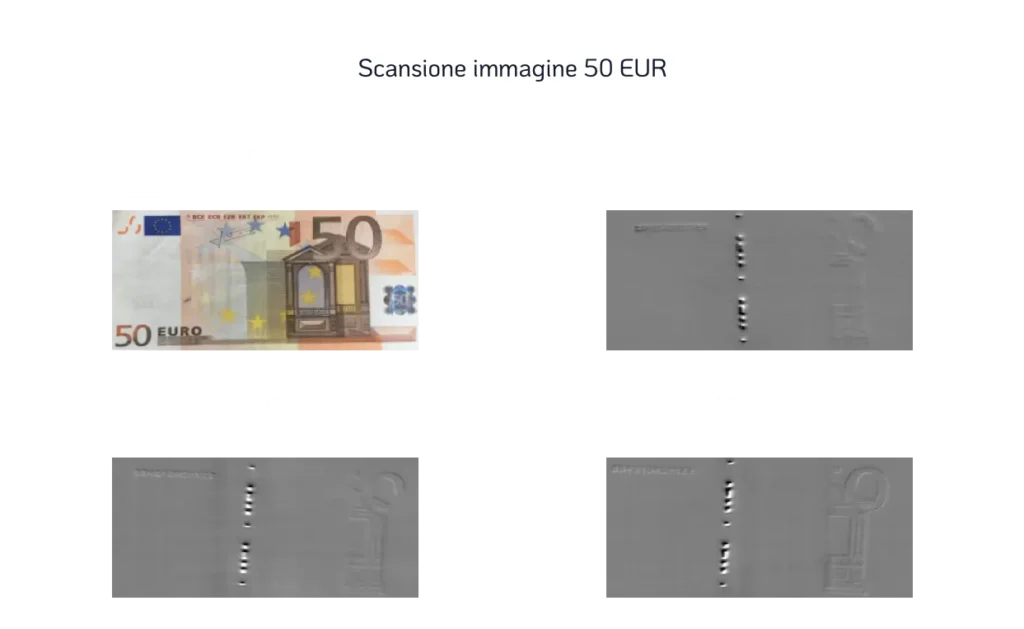
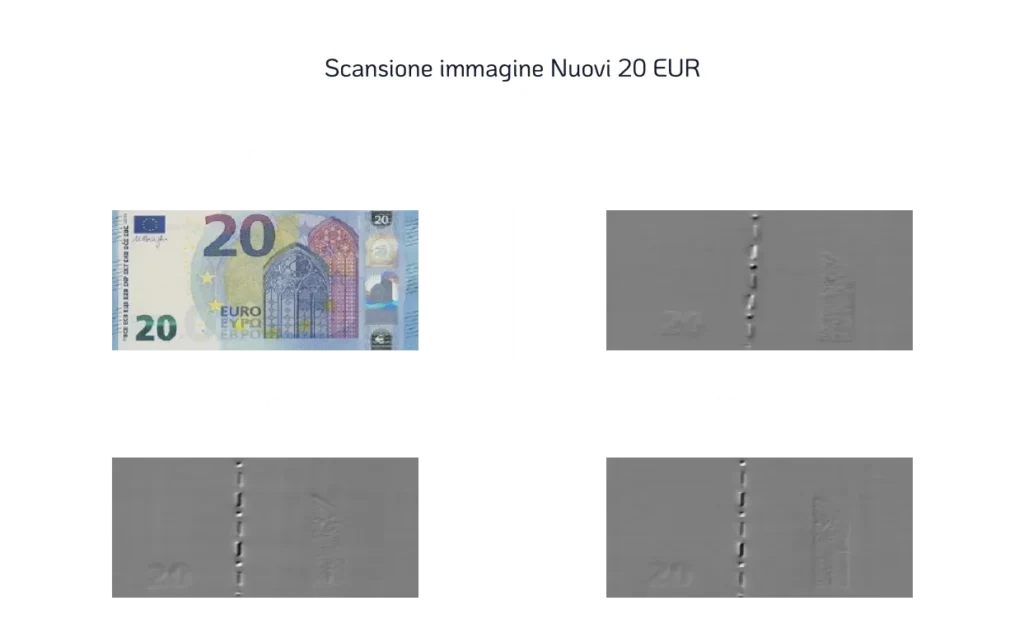
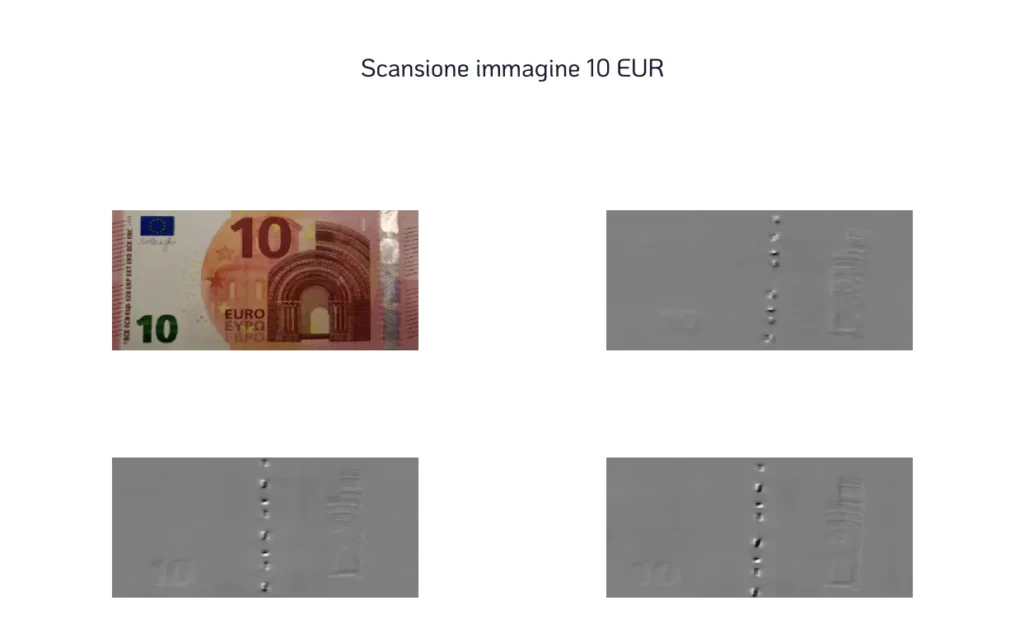
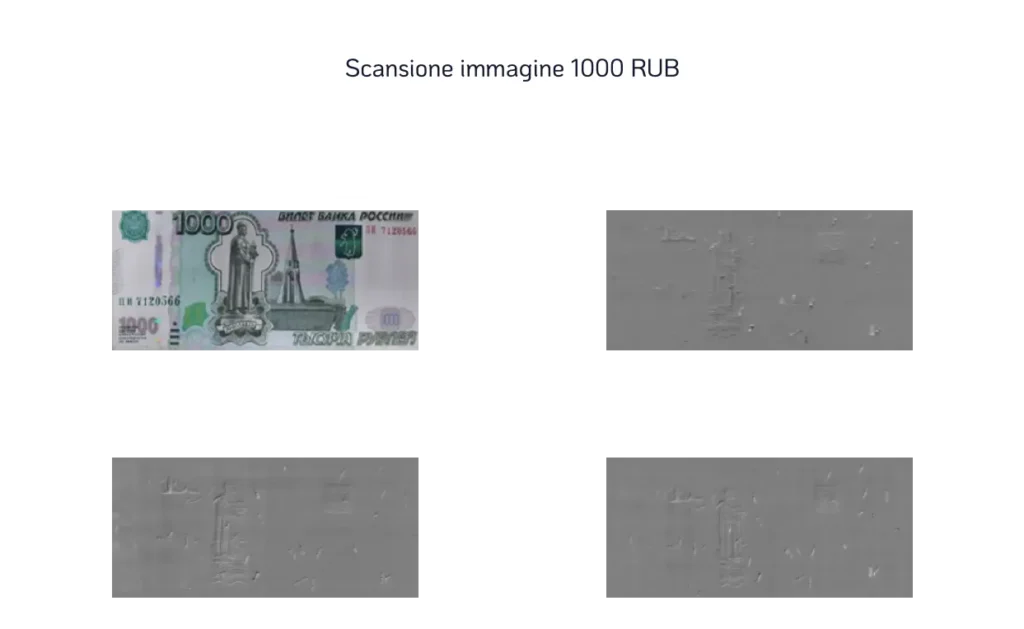
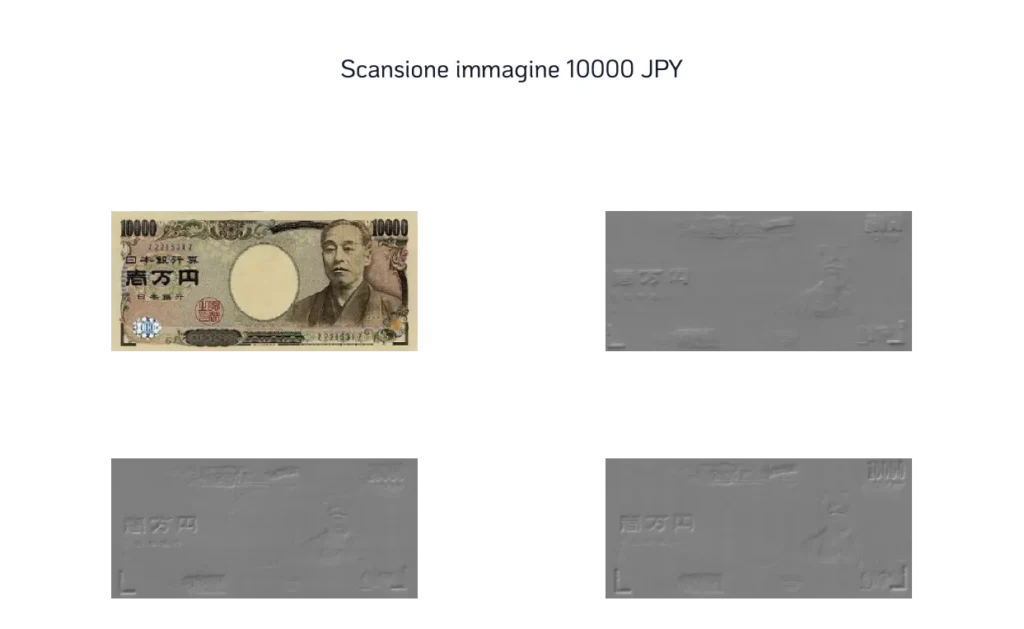
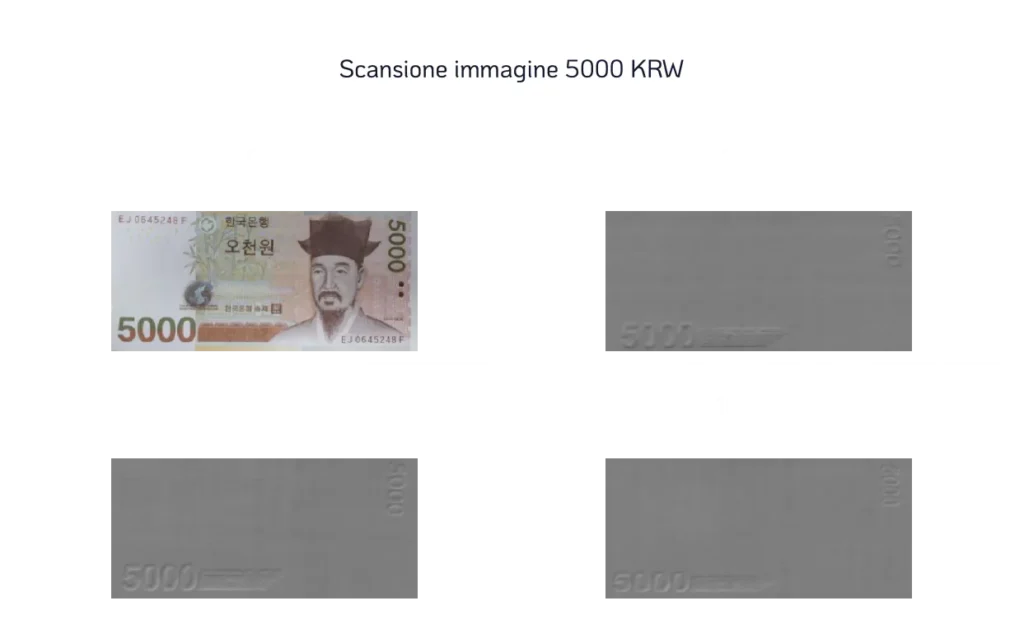
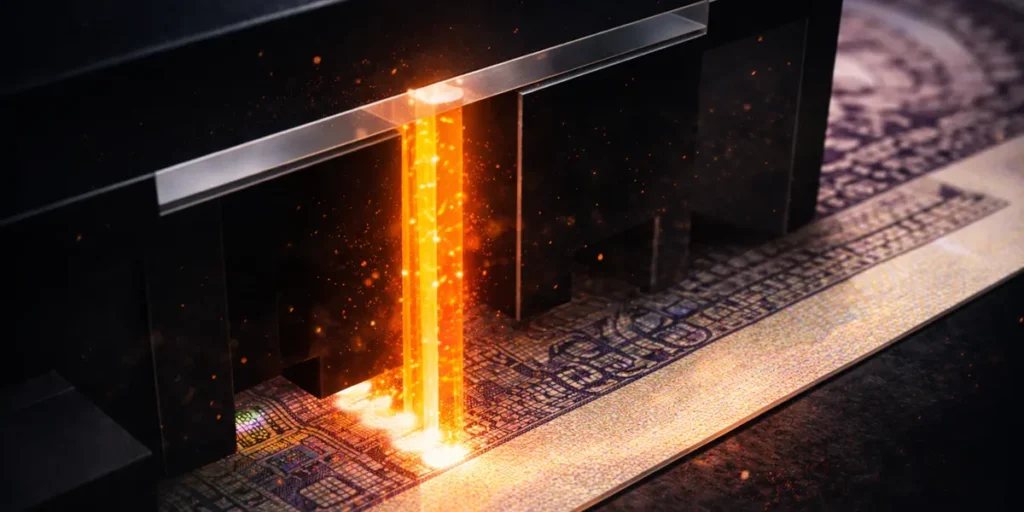
The MIS captures an image of the magnetic pattern present on banknotes, checks and tickets with magnetic ink, including the magnetic security line.

While the CIS measures the optical information (print/color), the MIS detects the variations in the magnetic field associated with the magnetic elements of the document, creating a magnetic “map” that can be used for authenticity and consistency checks with a reference.
Operating principle

The MIS integrates TMR (Tunnel Magneto-Resistance) elements, whose resistance value varies as a function of the intensity of the magnetic field. The resulting signal is made available as a serial analog output and as an 8-bit digital output (SPI), for simple and fast processing.

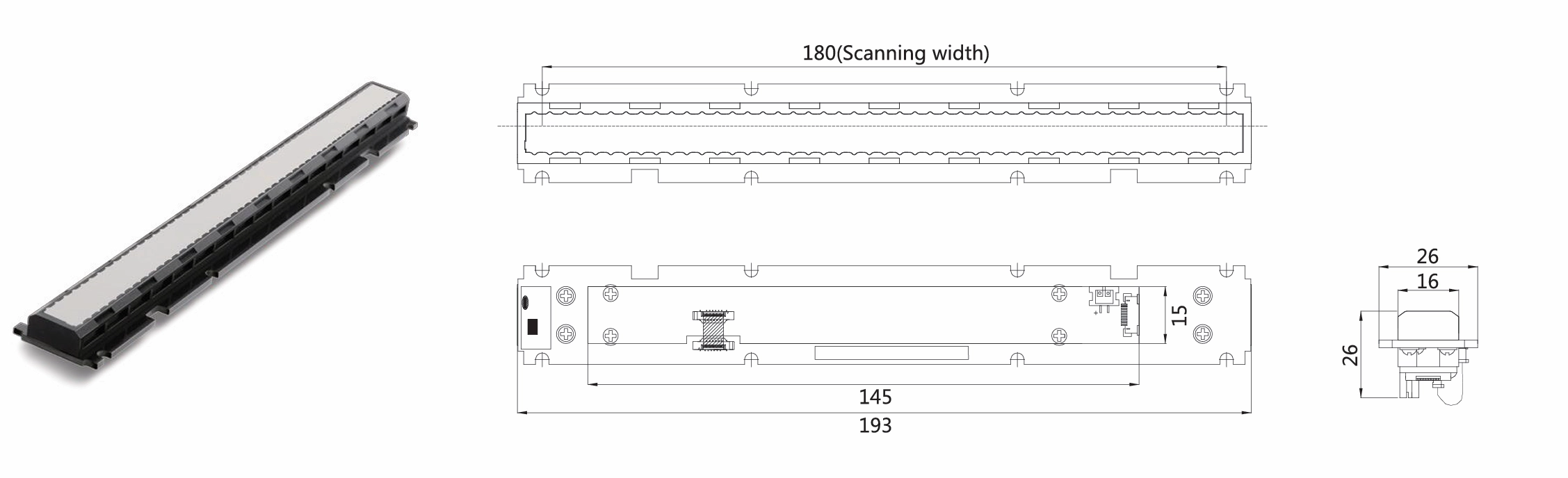
Image with picture and technical draw of DIS

Key advantages over conventional magnetic sensors

  • Claimed higher sensitivity: 20 mV/V/Oe (TMR) vs. 1 mV/V/Oe (AMR).
  • Higher resolution (up to 100 DPI) and more detailed “image” output.
  • Low noise, simplified data integration and processing.

Variants

Available in different scanning widths (typically 108/180/201 mm) and resolutions (20/50/100 DPI), depending on the reading channel and machine architecture.

Main advantages

  • Accurate detection even with weak or degraded magnetic fields.
  • High noise immunity and measurement stability over time.
  • Compact structure that can be easily integrated into reading modules.
  • Low power consumption and direct interface with MCU or FPGA.
  • Maintenance-free: Factory calibrated and sealed for long life.

APPLICATIONS

  • Banknote and check validation systems.
  • Counting and sorting devices (sorters).
  • Magnetic ticket readers or security tags.
  • Document recognition and cash recycling machines.
  • Banknotes.
  • Checks.
  • Ticket with magnetic ink.
  • Magnetic pattern and security line detection.

Integration and synergistic operation

The MIS is mounted immediately after the CIS in the banknote path:
While the CIS acquires the visual image, the MIS measures the magnetic response.
The two sensors work in synchrony on the same clock signal, providing perfectly aligned optical and magnetic data in real time.
and position.

This combination allows you to:

  • identify well-printed fakes that lack magnetic inks;
  • check the presence and position of the safety filaments;
  • improve statistical certainty of authenticity in automatic validation systems.

MIS Images